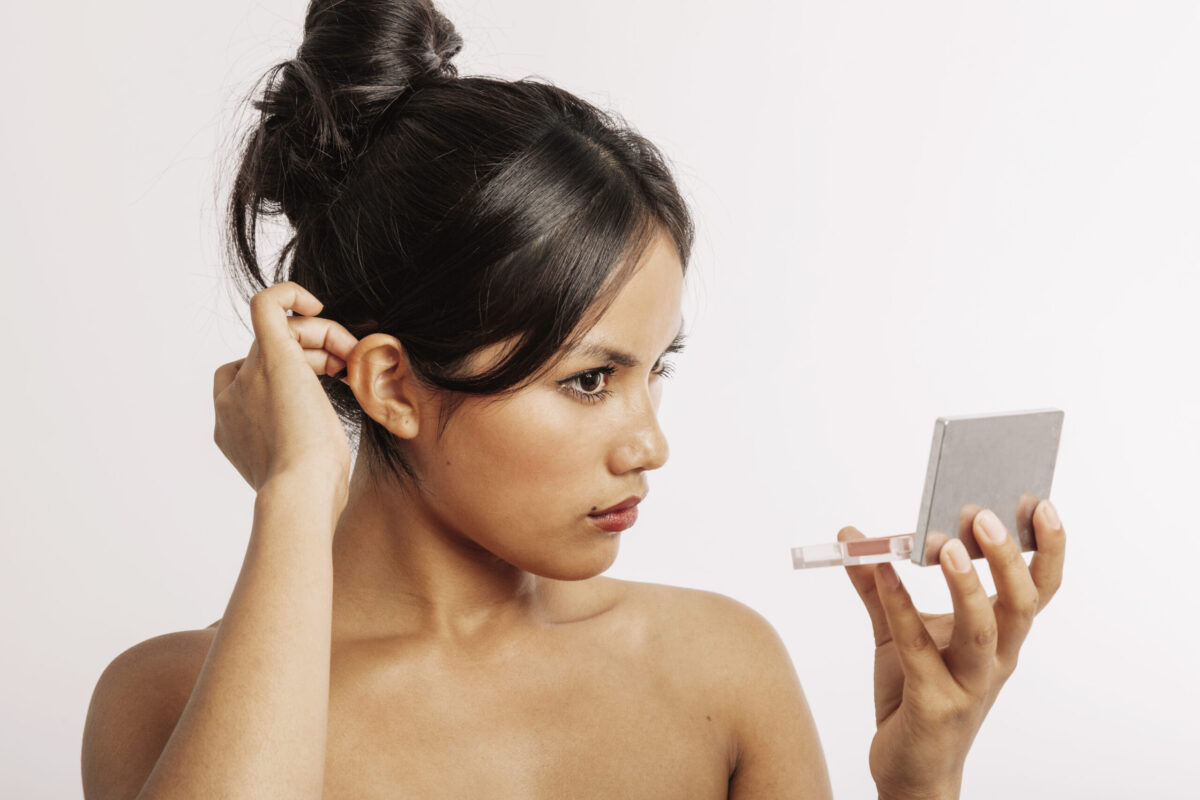
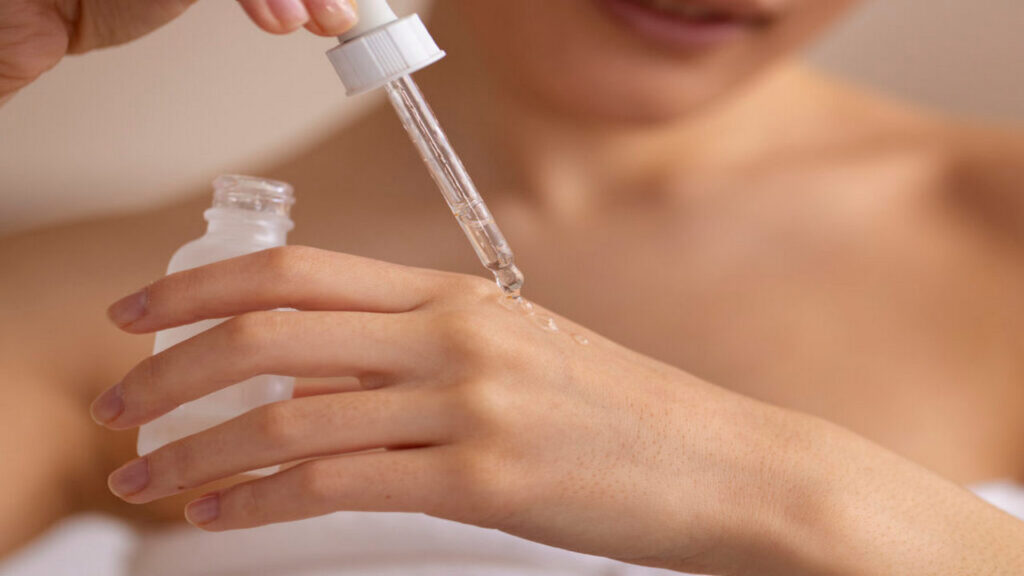
At the beginning of hearing about skincare, I was attracted by beautiful bottle shape and beautiful smells. A fresh-rose smelling cream or vanilla tinged serum all resulted in me feeling like I was treating myself as well. Over the years though as I educated myself more about ingredients, I was able to see something troubling: those products I loved so much because of their smell, in all the years I knew, were usually the result of artificial fragrance and that that is not necessarily the innocent act as so thought.
In this post, I would rather deconstruct everything I have learnt about artificial fragrance in skincare, the reasons why it is so commonly used, the problems it may provoke, and how I am able to make better choices without ruining that experience we all seek with that sense.
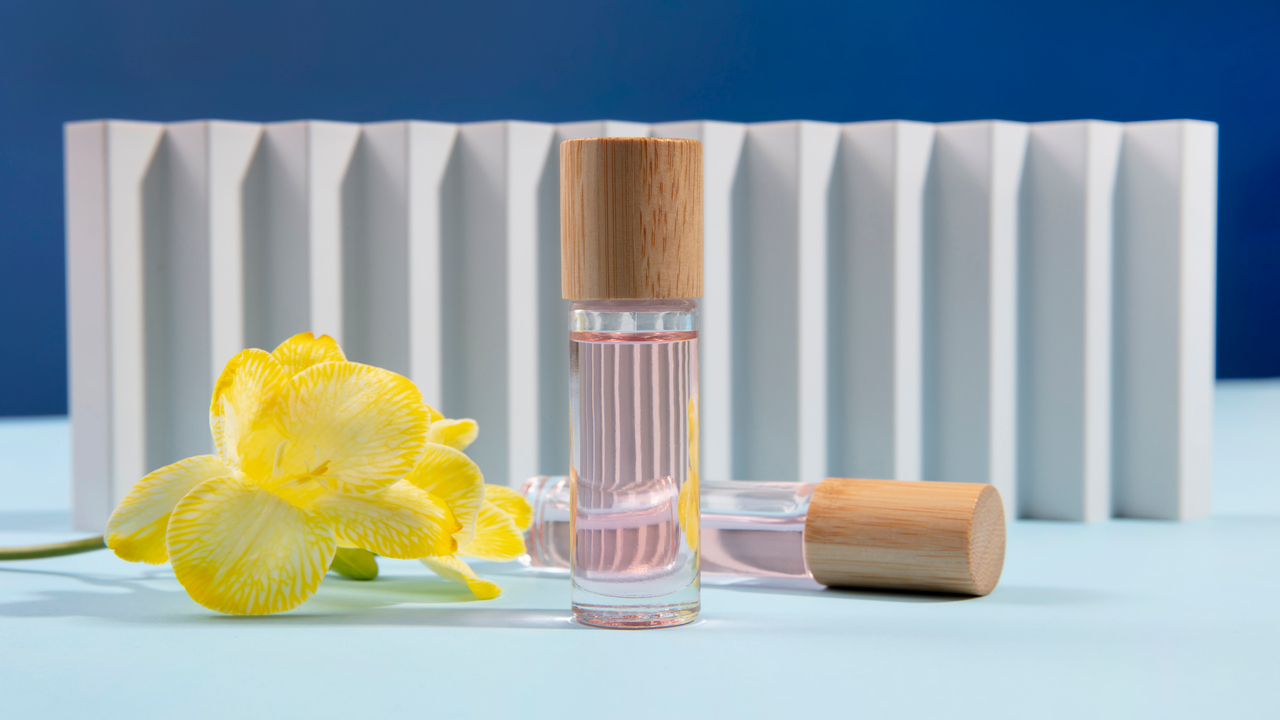
What is Artificial Fragrance?
In simple terms, artificial fragrance is simply a combination of synthetic chemicals that can be tested to give a scent to a skincare or hairstop or even a particular make-up product. Most brands do not use natural essential oils or plant extracts in favor of compounds produced in the laboratory, which are inexpensive and in non-renewable form, have better durability and are more standardizable.
The tricky part? Your first response to reading the words fragrance, or parfum on a label, does not give you any idea of what is contained inside. The word alone may constitute tens of hundreds of various chemicals as a blend.
Why Do Brands Use Artificial Fragrance?
Why introduce brands remain with synthetic scents can be attributed to a number of reasons:
Consistency: Natural smells may change batch to batch, on the other hand, custom-made smell defines a consistent fragrance with the same smell each time.
Price: It is much less expensive to create the smell of the rose which is artificial than to extricate the real rose oil.
Stability: Artificial fragrance is more stable in formula and it does not spoil as rapidly artificial fragrances as natural extracts.
Logically, it is logical to the business. We, being the consumers should consider what these chemicals are doing to our skin.
The Sensory Experience and Emotional Connection
Being truthful, I think smell serves dramatically in the attitude of my feelings towards a product. After bathing, lavender lotion before going to bed makes me relaxed and after wake up, citrusy face wash immediately lifts my mood. This is precisely the reason companies so much stress on the addition of artificial fragrance and make the experience more memorable and addicted.
The issue is, however, that the same thing can contribute to the uplifting effect being nuisance or latent skin issues exhibited later.
The Downsides of Artificial Fragrance
This is where it comes in a bit illegitimate. The artificial perfume is not necessarily toxic, yet it may harm it:
Skin Sensitivity:
Artificial fragrance may cause redness, itching, or burning especially on people with sensitive skin. Personally, I have experienced an amazingly moisturized packaged product leaving small bumps on my face, to later identify it to be the fragrance itself in the middle of the night.
Allergic Reactions:
Artificial perfume will result in contact dermatitis to some individuals- a rash-like condition difficult to soothe.
Hidden Ingredients:
Given the fact that brands are not required to reveal complete composition of fragrance mixtures to us it always takes us by surprise to know what chemicals we are dealing with. Others may be highly innovitous, and others may be annoying.
Impact on Long-Term Skin Health:
Artificial perfume does not matter to have acne or wrinkles directly but when your skin is irritated constantly then it weakens its wall thus making one more vulnerable.
Artificial Fragrance vs. Natural Fragrance
It is at this point that most individuals tend to be lost. Natural perfume does appear more safe, such as essential oils. But guess what? The essential oils too may turn out to be irritant such as in high levels.
For example:
Citrus oils may cause the skin to become sensitive to UV light.
Lavender oil may calm other people, yet vex other people.
The point then is to be aware of your own skin and its reactions, whether it is the natural or the artificial fragrance.
Should You Avoid Artificial Fragrance Completely?
My personal opinion is as follows: not all the people have to trim it off totally. In case your skin is healthy and as robust and you have not become aware of a lack of irritation, applying a lightly scented product may not be a critical issue.
But if you’re dealing with:
Eczema
Acne-prone or sensitive skin
…. falling out of artificial perfume can become a top-challenger. My skin became very calm when I changed my fragrance cleansers and moisturizers to ones which did not have any smell.
How to Identify Artificial Fragrance in Products
Reading labels When reading labels, be alert to:
The term Fragrance or Parfum – an umbrella term that means synthesies.
Aroma – body care Use Sometimes.
Such chemical names as limonene, linalol, or benzyl alcohol (Often performed as part of fragrance blends).
When one refers to a product as fragrance-free, be sure that it does not contain some disguised fragrances which the manufacturer exceptionally employs to cover the unpleasant smell.
Tips for Choosing the Right Products
Go Fragrance-Free for Basics:
Use fragrance-free cleansers and moisturizers as they are the ones that are nearest to your skin barrier.
Save Fragrance for Fun Products:
In case you like smell, perhaps save it and use it as body lotions or shower gels where the possibility of hurting you is lower.
Patch Test:
Also never put new products on a large part of your face the first object you have to try on a small base before any application.
Listen to Your Skin:
In case of redness, bumps or itch, make sure that it may be that artificial fragrance is to blame.
My Personal Experience With Artificial Fragrance
Years ago, I was not able to understand why my cheek (apparently after using new skincare of a certain luxury) would red, in seemingly random areas. Until I disheartenened the routine and turned to fragrance-free communities, I had been unacknowledged how the artificial fragrance was dying on me.
Today, I can occasionally still use a scented shower gel, however, my routine in regards to my face remains almost free of fragrances. My skin is much more relaxed and in balance and quite frankly, my health has never been better.
Why Artificial Fragrance Still Has a Place
Nonetheless, despite the danger, I get why people still adore fragrance items-sometimes, I do not feel it myself. Skincare is not only about the outcome and effect of skincare, but the experience. It is all a matter of being aware and discovering something to balance you.
Artificial perfume does not render a product bad, just it is something to pay attention to when you are sensitive or reactive to certain perfumes.
Conclusion
Artificial fragrance appears in all these products of the skins and beauty world, and the effect of artificial perfume is varied with both benefits like adding and enjoying fun, and unnecessary additional features. Irritant to the unknown chemicals, it is not something that one overlooks.
The best approach? Be mindful. Alternatively have it sparingly in case your skin cannot handle it. Otherwise these perfume-free versions do exist that ensure that your skin does not suffer. The bottom line on skincare is personal- and the skincare process also feels good- at the end of the day that is the routine which will leave your skin and your general soul happy.