Introduction
There are a lot of buzzwords and actives in the skincare industry, yet few of them have been able to remain as necessities. Lactic Acid is one of such ingredients that are rocking. It is an exfoliating but light-headed product that has gained popularity among dermatologists and skincare lovers in general. When you have wondered what is the trend behind Lactic Acid, why it works and how to use it safely, then this guide will provide the answers to all your queries.
Why Lactic Acid is Trending
Within the past few years, the consumer has moved to products that provide visible results but are not too rough. Lactic Acid checks both boxes. It also not only sheds off dead skin but it also hydrates leaving it suitable to beginners and sensitive skin. Beauty brands, social media influencers and skincare experts regularly promote it as a low entry point into chemical exfoliation, which is why it has become increasingly popular.
What is Lactic Acid?
Lactic Acid is an alpha hydroxy acid (AHA) that is naturally occurring milk but several current-day formulations utilize plant-based or synthetic alternatives. Being gentler, unlike stronger acids, its larger molecules do not infiltrate the skin so deeply, thus, making it softer and yet efficient.
How Lactic Acid Works on the Skin
Exfoliation: Lactic Acid breaks the connections that hold the cells that have died thus new cells emerge.
Hydration: It enhances the capacity of skin to retain moisture, which will not leave it dry.
Cell Renewal: Frequent use helps to create smoother skin with an even-toned skin.
Benefits of Lactic Acid
1. Gentle Exfoliation
As opposed to glycolic acid, Lactic Acid vaporates on the surface, a factor that ensures minimal irritation and redness particularly in sensitive skin.
2. Improves Texture and Tone
It clears coarse spots, makes the skin soft and corrects dark spots and slight pigmentation.
3. Anti-Aging Effects
Latic Acid revitalizes cell turnover and smooths out fine lines, and provides the skin an original look of brightness.
4. Hydration Boost
It is not like many exfoliants, as it is a humectant, i.e. it pulls moisture to the skin.
5. Treating Keratosis Pilaris
The mild exfoliation of the Lactic Acid is useful in softening the chicken skin bumps due to the accumulation of keratin.
How to Use Lactic Acid in Skincare
Forms Available
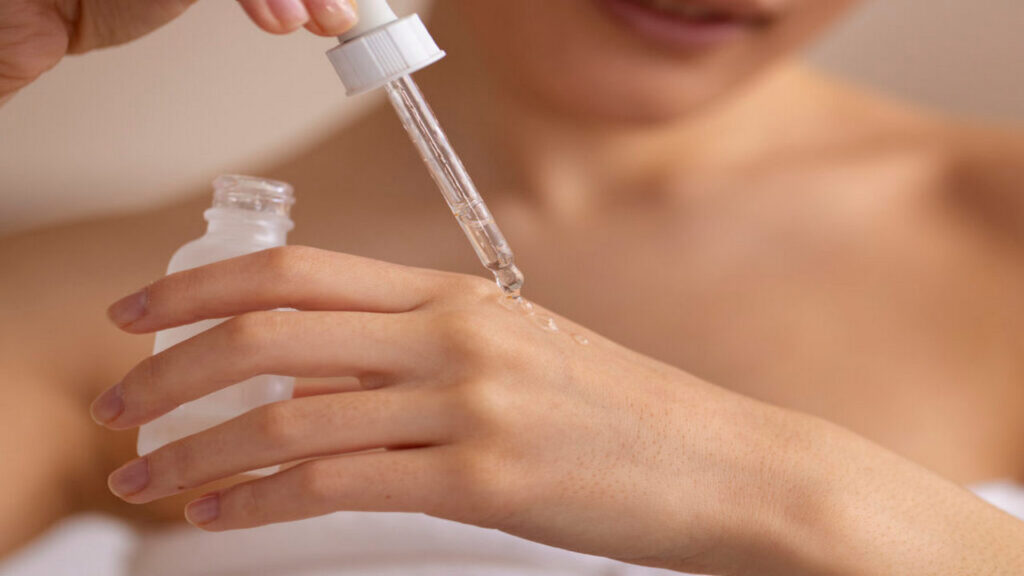
Serums- light, quick-drying, best to use at night.
Cleansers – this will give the skin a gentle daily exfoliation.
Creams & Lotions – exfoliation combined with body and face hydration.
Application Tips
Always use Lactic Acid to clean and dry the skin.
Begin with low concentrations (5-10%) in case you are a beginner.
Apply at night, since AHAs may make one overly sensitive to the sun.
Apply a moisturizer to seal the moisture.
What to Take Care of When Using Lactic Acid
Precautions
Wear sunscreen throughout the day, because Lactic Acid makes one more photosensitive.
It should not be used together with other strong actives in the same routine such as retinol or vitamin C because it will cause irritation.
Possible Side Effects
Light prickling on the application.
Temporary redness
Dryness if overused
When to Start Using Lactic Acid
Lactic Acid can be used preventively at the earliest age (around 20 years). It comes in very handy when you get pallor, unequal skin tones or texture problems. To fight the effects of aging it is best to begin in your late 20s or early 30s.
How Much Lactic Acid to Use
Concentration Levels
5–10%: Best for beginners and sensitive skin.
10–15%: Moderate strength for those accustomed to acids.
20–30%: Professional-grade peels used under dermatologist supervision.
Frequency
Start with 2-3 times a week.
Slowly build up to daily use in case your skin does not react to it.
Who Can Use Lactic Acid?
Suitable For
Sensitive skin types
Dry or dehydrated skin
Individuals of dark or pale complexion.
Who Should Avoid
Patients with too sensitive or ruptured skin.
Patients with severe rosacea or eczema (without the decision of a dermatologist)
Lactic Acid vs. Other AHAs
Lactic Acid vs. Glycolic Acid: Lactate acid is softer since it has a bigger molecular weight.
Lactic Acid vs. Mandelic Acid: Mandelic is even softer and less moisturizing.
Lactic Acid vs. Salicylic Acid: Salicylic is a BHA that is more suitable on an oily and acne-prone skin whereas Lactic Acid is more suitable on hydration and light exfoliation.
Myths About Lactic Acid
Myth 1: Lactic Acid is not suitable in a humid environment.
Fact: It suits the majority of the skins such as combination skin.
Myth 2: Higher levels of concentration yield higher performances.
Fact: When overused it can destroy the skin barrier. Strength is not as important as consistency is.
Myth 3: The sunscreen is not necessary when using Lactate Acid.
Fact: The use of sunscreen is a must because AHAs predispose the skin to the sun.
Expert Recommendations
Combine Lactic Acid and relaxing agents such as hyaluronic acid or niacinamide.
Optimal results are attained at night.
It should always be introduced slowly in order to avoid overloading the skin.
Conclusion
Lactic Acid is a multi purpose skincare product that exfoliates, hydrates, and also rejuvenates the skin but not as harsh as the stronger acids. You need to fight flatteness, fine lines, or evenness of your skin texture… it is a gentle though efficient solution. Properly used and taken, it can be a game-changer in your routine.