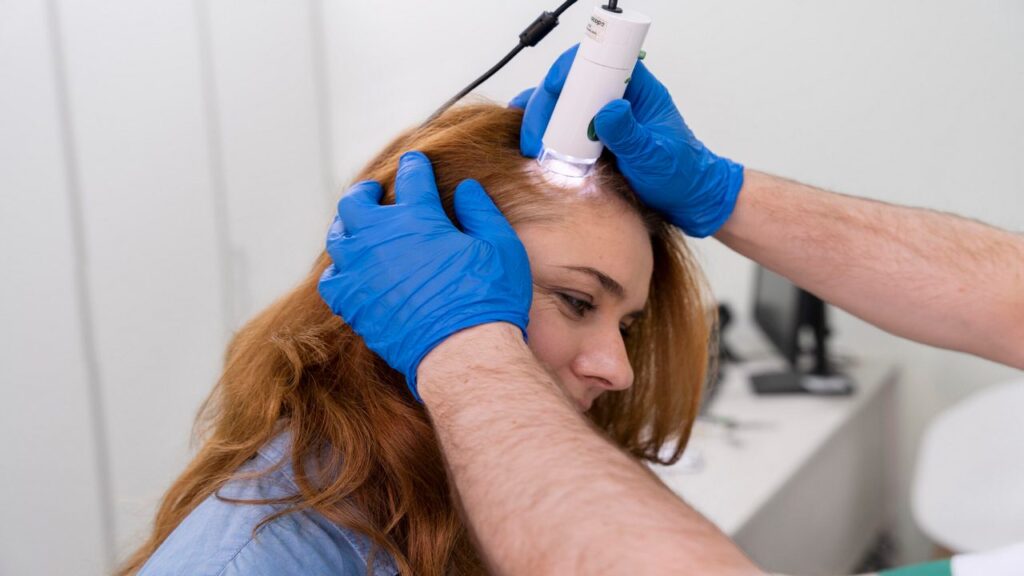
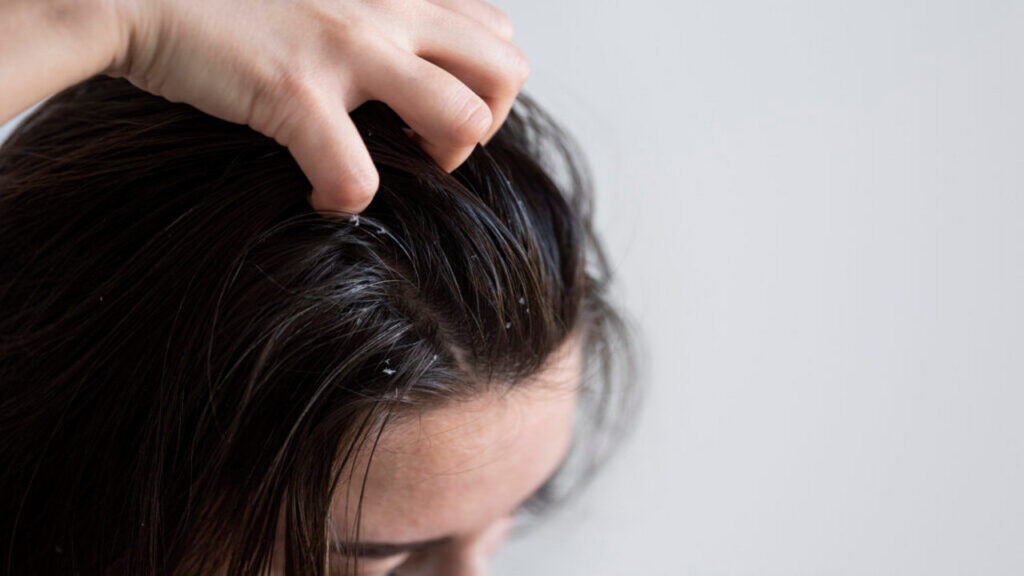
Making one lose their hair is a confidence drain. You try oils, serums, shampoos, before you read about oral minoxidil, something in the treatment game that is slowly transforming the contribution to hair loss. But what it is and whether it works, what is it? The noise can be cut, though, let us cut it and discuss fact, results and life experiences–without fluff.
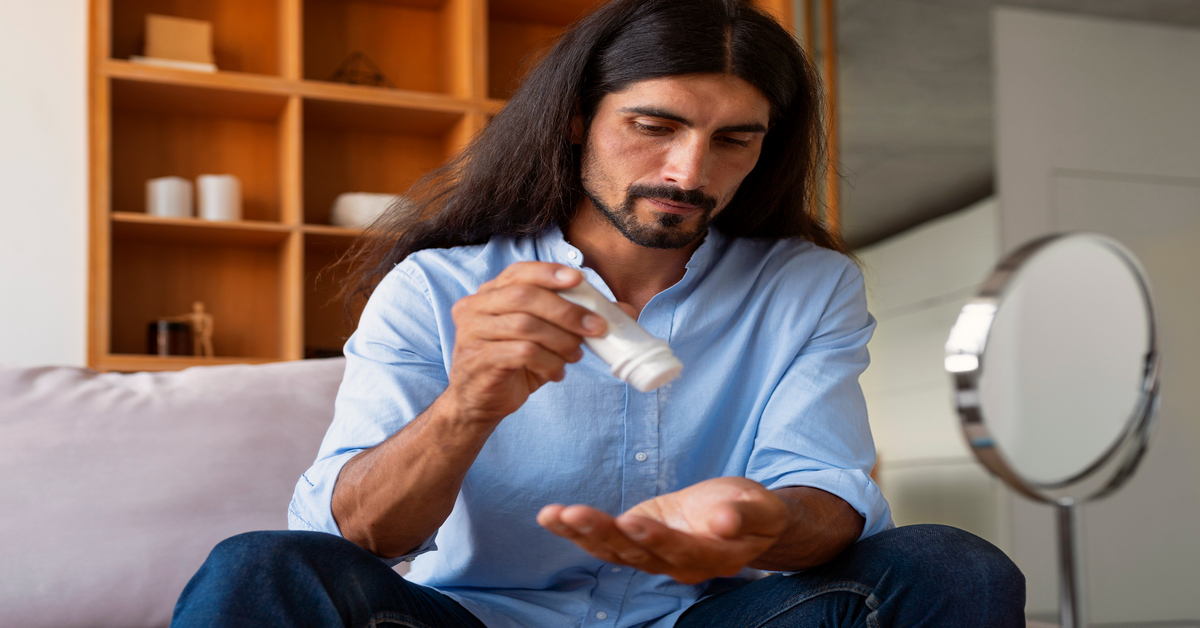
What Is Oral Minoxidil?
Oral minoxidil: It is low dosage medicine that is in tablet form and was initially invented to counter blood pressure. Further studies by dermatologists would find that when used in such low amounts it can actually induce hair growth by enhancing blood circulation to the follicles and the growth (anagen) stage of the hair cycle.
In contrast to the topical minoxidil, the oral minoxidil acts systemically (that is, reaching out to follicles everywhere on the scalp) – and at times even eyebrows or beard.
Why Doctors Prescribe Oral Minoxidil
Orally administered minoxidil can be promoted by competent dermatologists in case of:
- Topical minoxidil results in itch, or dandruff.
- The loss of haire is diffuse (hair thinning all over).
- Topical solution outcomes are slow or erratic.
- It is typically used in treating androgenetic alopecia, telogen effluvium and female pattern baldness.
Personal Story: Before and After
A 32-year-old working professional and one of my readers has been on oral minoxidil because she experienced difficulty in having a diffuse thinning over 3 years.
- Before: Explicit head, small ponytail amount, shedding anxiety on a daily basis.
- Post 6 months: Significant growth at the base, lessening loss of hair, ponytail of the hair is thick.
- The key takeaway? Consistency and patience. It was not just the results that would manifest overnight but the results were consistent and valid.
When Will You See Results?
Here’s a realistic timeline:
- 0-8 weeks: Perhaps initial shedding (normal and temporary)
- 3 months: The hair fall slows down, the baby hairs grow.
- 6 months: Density improvement observed.
- 9-12 months: Peak results
- The process of growing hair is not in any way a sprint.
Expert-Style Guidance: Dosage Matters
The majority of dermatologists give out the following prescriptions:
- Men: 1.25-2.5 mg daily
- Women: 0.25-1 mg daily
- Never self-medicate. Oral minoxidil should be administered under the supervision of either a doctor, particularly in case of low blood pressure and heart complications.
Side Effects: What’s Realistic?
Oral minoxidil is normally well tolerated at low doses. It may have side effects including:
- Mild facial hair growth
- Temporary ankle swelling
- Minor decrease in blood pressure.
- The serious side effects of drugs are hardly encountered when correctly prescribed in clinical practice.
Clear Steps to Use Oral Minoxidil Safely
- Consult a dermatologist
- Beginning with lowest effective dose.
- Take it at the same time daily
- Monitor the progress using monthly photos.
- Add to the good nutrition and stress management.
- Simple steps. Better outcomes.
Should You Combine It with Other Treatments?
Yes–more professionals use oral minoxidil with:
- Topical minoxidil
- Finasteride (for men)
- Correction of nutrition (iron, vitamin D, protein).
- More lasting and quicker outcomes are frequently provided by combination therapy.
Conclusion
Oral minoxidil is not a wonder-worker- it is a potent, scientifically tested one though, when taken in the correct manner. It may be used to reverse hair thinning and regain confidence with expert directions, reality expectation, and patience. This can be a discussion to have with your dermatologist in the event that you have been secretly losing hair, and it is causing you stress.